Forearm Balance Preparation builds the shape and control for Pincha without asking for a full free balance. It strengthens the shoulders and centre, teaches you how to press the floor away through the forearms, and lets you work with the wall if that gives you a steadier setup.
Typical hold: 3 to 5 breaths per attempt, or shorter entries and exits with steady control
Timing: Hold for 3 slow breaths at the wall · Practice 2 to 5 short attempts with rest between · Stay 5 breaths if the shoulders remain broad and the neck relaxed
This preparation is less about kicking hard and more about organising the base. The forearms root down, the upper back lifts, and the ribs stay reasonably contained as the legs move overhead. Some bodies feel more comfortable with a dolphin-style hold at first, while others prefer one-leg lifts at the wall. Both are useful.
How to do Forearm Balance Preparation
Start facing a wall on your forearms with elbows about shoulder-width apart. Place the forearms parallel if that is steady for you, or clasp the hands if your shoulders feel more secure that way.
Press down through the full length of the forearms and lift the shoulders away from the floor so the neck stays long rather than sinking.
Tuck the toes and lift into a dolphin shape. Walk the feet in a little at a time until the hips feel lighter over the shoulders, without forcing the hamstrings.
Keep your gaze between the forearms or slightly forward on the floor. Let the back ribs broaden instead of dropping into the chest.
For a wall version, bring one foot closer in, lift the other leg on an inhale, and on a soft exhale make a small controlled hop from the standing leg until the lifted heel finds the wall.
Once one heel touches the wall, bring the second foot up if that feels manageable. Keep pressing the floor away so the shoulders do not collapse.
Stay for 3 to 5 steady breaths. Think of drawing the front ribs gently in while reaching through the legs.
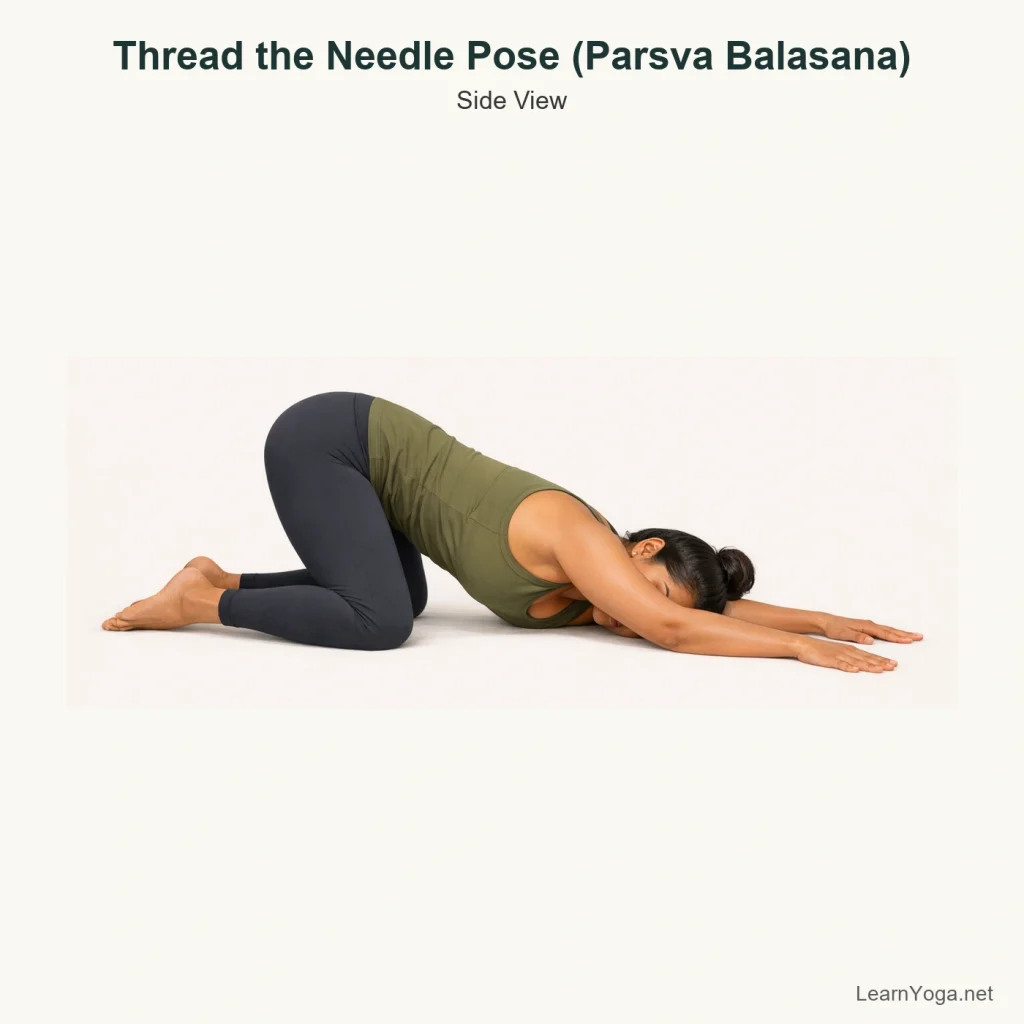
To come down, lower one foot and then the other with control, return to dolphin or hands and knees, and rest in Child's Pose for a few breaths.
Yogita's tip
If the lift feels heavy, the issue is often not the legs. Usually the shoulders have drifted down. Press the forearms more firmly and let the upper back round slightly; that often makes the hips feel much easier to stack.
Benefits
Builds shoulder and upper back strength for forearm-bearing inversions
Improves awareness of how to stack hips over shoulders with control
Practises core support so the lower back does not take over the shape
Helps develop confidence entering an inversion in smaller, more manageable stages
Can prepare the body for Forearm Stand and other overhead balance work
Common mistakes
Letting the elbows slide wider so the base becomes unstable
Dropping the chest toward the floor instead of actively pushing the forearms down
Throwing the legs up with a large kick instead of making a controlled entry
Looking too far forward or straining the neck
Flaring the ribs and bending deeply through the lower back to find height
Make it work for you
Dolphin hold
Stay in Dolphin Pose with the feet on the floor and focus on pressing the forearms down, lifting the shoulders and taking 3 to 5 slow breaths.
One-leg wall taps
Set up at the wall, lift one leg and make small light hops with the other foot, aiming only to touch the wall briefly rather than bringing both legs up.
L-shape at the wall
Place the feet on the wall at hip height and the forearms on the floor so the body makes an L shape. Press the floor away and practise stacking shoulders without a full inversion.
Alternatives
Dolphin Pose
Work in Dolphin Pose and shorten the stance until the shoulders feel strongly supported.
Use this if full inversion feels too intense or if hopping aggravates the shoulders.
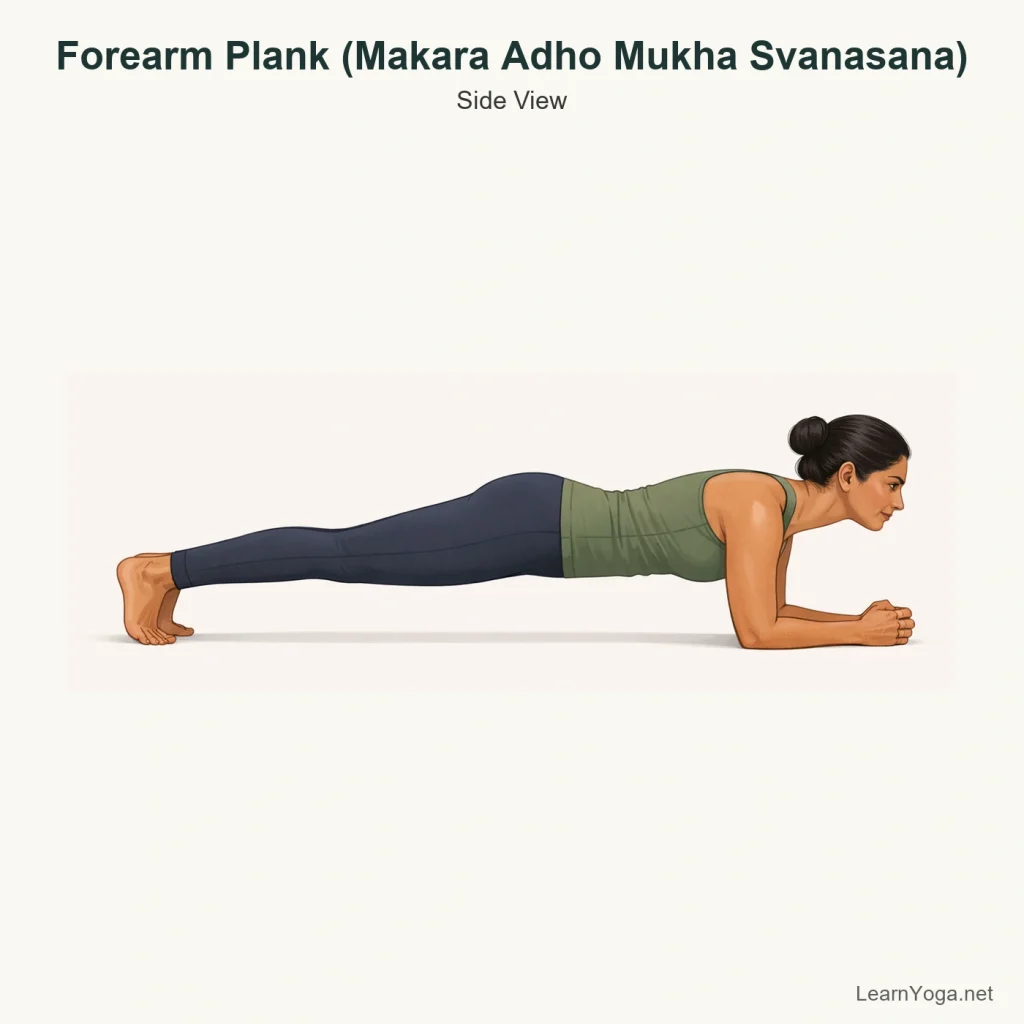
Forearm Plank
Hold Forearm Plank with steady breathing and broad shoulder blades.
Use this if you need core and shoulder work without going upside down.
Legs Up the Wall
Lie on your back with the legs resting up the wall and let the breath settle.
Use this if you want a gentler inverted position with far less load on the shoulders.
Common variations
Wall-supported forearm balance prep
A wall behind you gives feedback for the heels and helps you practise stacking without needing a free balance.
Single-leg lift prep
One leg lifts while the other toes stay light on the floor, which lets you work on shoulder action and hip placement before full entry.
Hands clasped variation
Clasping the hands can feel more contained for some shoulders, though others will prefer parallel forearms.
Safety and contraindications
When to avoid or get individual guidance
Avoid or reduce this pose if you have a current shoulder, elbow or neck injury.
Skip the hopping entry if you cannot control the landing at the wall.
If being upside down reliably brings on dizziness or pressure in your head, choose a non-inverted alternative.
This preparation loads the shoulders, elbows and upper back and also asks you to bear weight while inverted, so build it gradually.
Keep the neck neutral and do not look around while upside down.
If the elbows keep sliding apart, come down and reset rather than trying to save the shape mid-kick.
Use a wall for practice if your entry is still inconsistent or rushed.
If this preparation causes sharp pain in the shoulder, elbow, neck or upper back, or you cannot bear weight on the forearms without lingering strain afterwards, stop and get individual guidance before practising it again.
Accessibility and limited mobility
This pose asks for strong shoulder flexion, forearm pressure and comfort being upside down, so it is usually not the most accessible choice for older adults or anyone who has difficulty getting down to the floor and back up.
A wall setup makes the pose more manageable because it reduces the balance demand and gives clear feedback about where the legs are.
If hamstring length limits how close you can walk in, work in Dolphin Pose or an L-shape at the wall rather than forcing the hips higher.
Easier options
Use these related poses when you want a more accessible way to practise a similar movement or prepare for this pose.
Parallel forearms usually give the clearest base for Pincha preparation, but some people feel steadier with the hands lightly clasped. If clasping helps, make sure the shoulders still lift and the chest does not sink between the arms.
How close should I walk my feet in before trying to lift?
Close enough that the hips start to feel lighter, but not so far that you round and lose the shoulder support. A useful sign is that the standing foot feels springy and the shoulders are still actively pressing away from the floor.
What if I keep kicking too hard at the wall?
Make the entry smaller. Lift one leg, keep the other knee softly bent and think of a quiet hop rather than a big swing. Many people find better control when they focus on pushing the forearms down first, then letting the hips rise.
Where should I feel the work most clearly?
Usually in the shoulders, upper back, arms and centre of the body. You may also feel a hamstring stretch as you walk in. If the strongest sensation is compression in the lower back or strain in the neck, come down and reset the shape.
Can I practise this without going fully upside down?
Yes. Dolphin Pose, Forearm Plank and an L-shape at the wall all build the same base skills with less balance demand. Those versions are often the better place to stay until the shoulders feel solid and the breath remains calm.
Reviewed for yoga instruction
Yogita
Certified Yoga Instructor with 5+ years of Teaching and Consistent Practice